
Who Can Be Held Liable for a Drowning Accident in Florida?
Who Can Be Held Liable for a Drowning Accident in Florida?
A drowning or near-drowning accident can change lives in an instant. Families are often left grieving the loss of a loved one or facing overwhelming medical expenses after a survivor suffers catastrophic injuries. While not every drowning incident results from negligence, many occur because someone failed to maintain safe conditions, provide proper supervision, or comply with Florida safety laws.
If your family has been affected by a drowning accident, understanding who may be legally responsible is an important step toward protecting your rights. At Keller, Keller, Caracuzzo, Cox & Belluccio, our attorneys help families throughout North Palm Beach and South Florida investigate drowning accidents and pursue compensation when negligence contributes to these preventable tragedies.
Understanding Liability in Florida Drowning Accident Cases
Liability refers to legal responsibility for an injury or death. In Florida, individuals, businesses, and property owners have a duty to take reasonable steps to prevent foreseeable harm. When that duty is breached and someone suffers injuries or loses their life, the responsible party may be held financially accountable.
Every drowning accident is unique, which is why determining liability requires a careful investigation into the circumstances surrounding the incident. Factors such as where the accident occurred, who controlled the property, whether safety regulations were followed, and whether negligent actions contributed to the event all play a role.
Property Owners
Many drowning accidents occur on private or commercial property where swimming pools, ponds, lakes, canals, or other water hazards are present. Property owners have a legal obligation to maintain reasonably safe premises for lawful visitors.
Examples of negligence may include:
- Failing to install required pool barriers or fencing
- Broken or unlocked pool gates
- Missing warning signs around hazardous water features
- Poor lighting around swimming areas
- Failure to repair dangerous conditions
- Unsafe docks or walkways leading to the water
When a property owner ignores known safety risks, they may be held liable if someone drowns or suffers injuries as a result.
Hotels, Resorts, and Apartment Complexes
Commercial properties that offer swimming pools or waterfront amenities have additional responsibilities to keep guests and residents safe. Hotels, resorts, apartment communities, and homeowner associations must regularly inspect and maintain their swimming areas.
Potential liability may arise when these properties fail to:
- Maintain pool equipment
- Address hazardous conditions promptly
- Provide adequate safety features
- Comply with applicable Florida safety regulations
- Properly secure pool access after hours
If unsafe conditions contribute to a drowning accident, the business or property owner may be responsible for the damages that follow.
Boating Operators
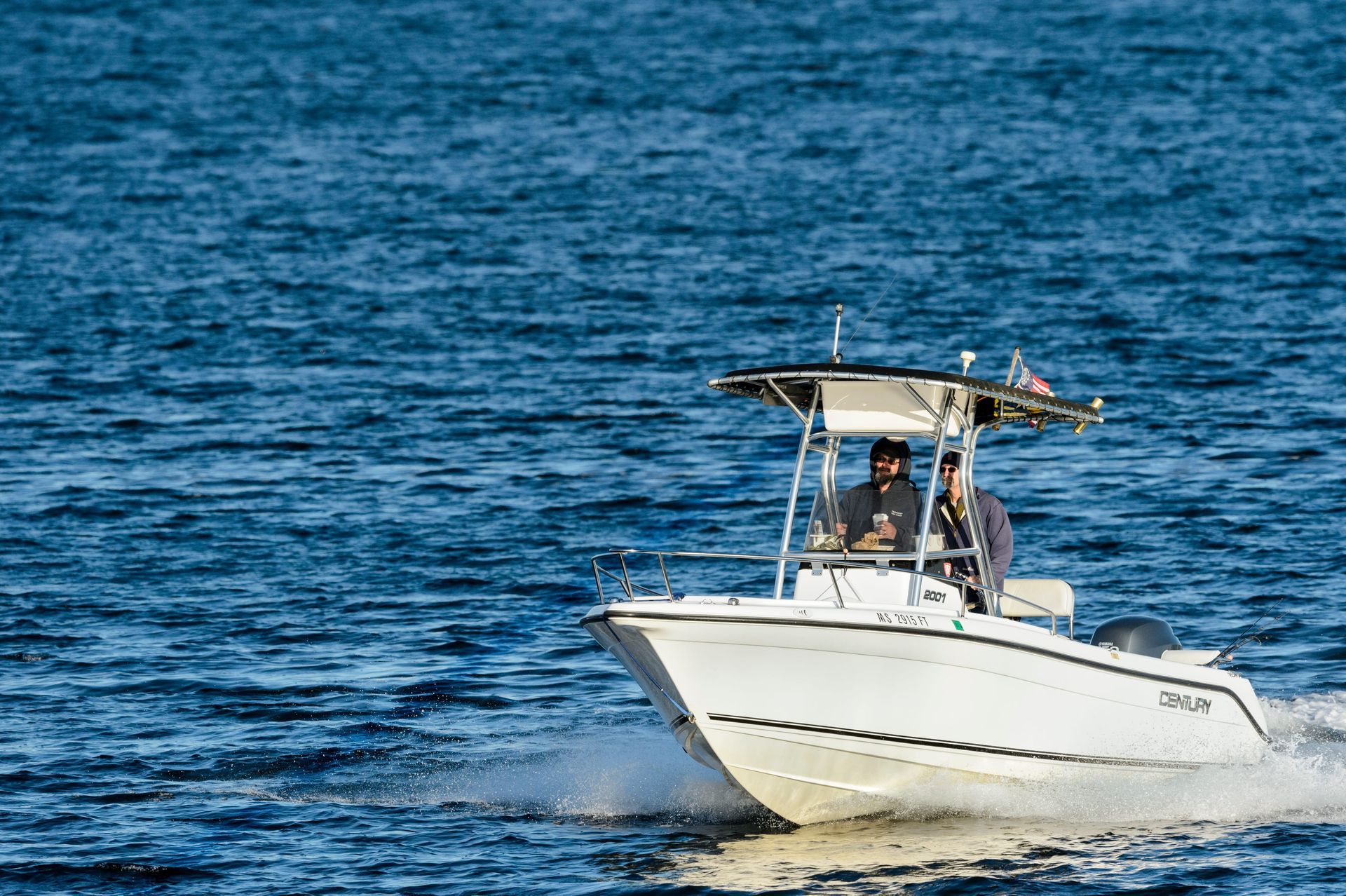
Not all drowning accidents happen in swimming pools. Florida's lakes, rivers, and coastal waters see thousands of recreational boaters every year, and boating negligence can lead to tragic drownings.
Examples include:
- Operating a boat while under the influence
- Excessive speed
- Failure to provide life jackets
- Inexperienced operation
- Ignoring dangerous weather conditions
- Collisions caused by careless navigation
When a boating operator acts negligently, they may be held liable for injuries or fatalities resulting from a drowning accident.
Lifeguards and Swimming Facility Operators
Public pools, private swim clubs, schools, and water parks often employ lifeguards or staff responsible for monitoring swimmers.
Liability may exist if staff members fail to:
- Properly supervise swimmers
- Respond promptly during an emergency
- Follow established safety procedures
- Maintain rescue equipment
- Address dangerous behavior in the water
Because drowning can occur within minutes, delayed responses or inadequate supervision may have devastating consequences.
Caregivers and Supervisors
Certain individuals have a legal duty to supervise children or vulnerable adults around water. In some situations, daycare facilities, camps, schools, nursing homes, or other caregivers may be held accountable if inadequate supervision contributes to a drowning incident.
While every situation is different, courts may examine whether reasonable supervision was provided under the circumstances.
Manufacturers of Defective Products
Sometimes the cause of a drowning accident extends beyond property conditions or supervision. Defective products may contribute to serious injuries or fatalities.
Examples include:
- Defective pool drains
- Faulty life jackets
- Broken pool ladders
- Malfunctioning safety gates
- Defective flotation devices
If a defective product played a role in the accident, the manufacturer, distributor, or retailer could face liability under Florida product liability laws.
Florida's Attractive Nuisance Doctrine
Florida recognizes the attractive nuisance doctrine, which often applies when young children gain access to dangerous conditions such as swimming pools.
Children may not fully understand the dangers associated with water. Because swimming pools naturally attract children, property owners are expected to take reasonable precautions to prevent unauthorized access.
Failure to install proper fencing, self-closing gates, alarms, or other safety measures may expose a property owner to liability if a child is injured or drowns.
How Is Negligence Proven?
Successfully pursuing a drowning accident claim requires evidence showing that another party failed to exercise reasonable care.
Evidence may include:
- Accident reports
- Photographs of the property
- Surveillance footage
- Maintenance records
- Pool inspection reports
- Witness statements
- Medical records
- Safety code violations
- Professional evaluations
At Keller, Keller, Caracuzzo, Cox & Belluccio, our legal team conducts thorough investigations to identify the factors that contributed to a drowning accident and build a strong claim for compensation.
What Compensation May Be Available?
When negligence causes a drowning or near-drowning accident, victims and surviving family members may be entitled to recover compensation for losses such as:
- Medical expenses
- Rehabilitation costs
- Long-term care
- Lost wages
- Loss of future earning capacity
- Pain and suffering
- Funeral and burial expenses
- Loss of companionship and support
- Wrongful death damages when applicable
The available compensation depends on the unique facts of each case and the severity of the injuries or loss.
Why Legal Representation Matters
Drowning accident claims often involve multiple parties, insurance companies, and complex investigations. Insurance carriers may attempt to deny responsibility or argue that someone else caused the accident.
Working with an attorney allows families to focus on healing while their legal team gathers evidence, negotiates with insurers, and pursues the full compensation available under Florida law.
At Keller, Keller, Caracuzzo, Cox & Belluccio, we understand the emotional and financial challenges families face after these tragic incidents. Our team is committed to providing compassionate guidance and strong legal advocacy throughout every stage of the legal process.
Contact Keller, Keller, Caracuzzo, Cox & Belluccio Today
If your loved one was injured or lost their life in a drowning or near-drowning accident caused by someone else's negligence, you do not have to navigate the legal process alone. Keller, Keller, Caracuzzo, Cox & Belluccio proudly represents families throughout North Palm Beach and South Florida, working diligently to hold negligent parties accountable and pursue the compensation your family deserves.
Call Keller, Keller, Caracuzzo, Cox & Belluccio today at 561-655-3133 to schedule a confidential consultation.